Water capacity and mobility tradeoffs in brush fire skid units affect how fire departments across the USA respond to wildland fires, rural calls, and hard-to-reach emergency scenes.
More water gives your crew longer working time before refill. More mobility helps you reach tight trails, brush roads, fields, and remote properties faster. The challenge is choosing a fire skid unit that supports your response area without overloading the vehicle or limiting access.
For many departments, the right answer depends on terrain, staffing, water supply, truck payload, and the type of initial attack your crew needs to make.
Brush Fire Skid Units Turn Smaller Vehicles Into Fast Attack Assets
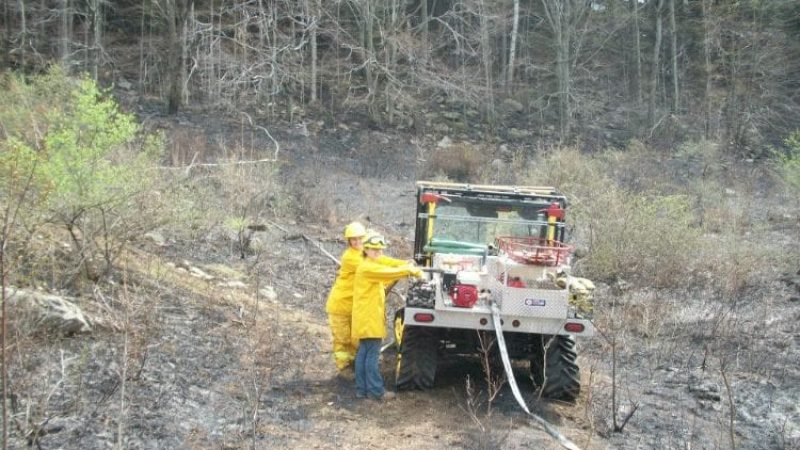
Brush fire skid units help convert UTVs, ATVs, pickups, and brush trucks into practical fire response platforms. These units typically combine a water tank, pump, hose, plumbing, and storage into a compact package.
A rescue UTV with a fire skid unit can reach places a full-size engine cannot. A brush truck fire truck can carry more water while still moving through rural roads, farm lanes, and off-road access points.
Kimtek Corporation designs FIRELITE units for fire and rescue teams that need reliable skid systems for wildland fire, brush fire, and rural response applications.
Water Capacity Gives Crews More Working Time
Fire truck water tank capacity matters because every gallon affects how long your crew can operate before refill. A higher fire truck water capacity can help during extended attack, mop-up, and rural operations where hydrants are limited.
A tanker fire truck carries far more water, but it cannot always reach the same terrain as a brush truck or rescue UTV. That makes water capacity a tactical decision, not just a specification. You need enough water to make the unit useful. You also need enough vehicle mobility to get that water where the crew needs it.
Mobility Keeps Brush Trucks Useful In Rough Terrain
Mobility drives the value of skid units for brush trucks. When a vehicle can move through narrow access roads, soft ground, wooded areas, or uneven terrain, your crew can get closer to the fire line.
A smaller tank may help preserve handling and payload margin. A larger tank may reduce agility once water weight, crew weight, tools, and hose are added. Key mobility factors include:
- Vehicle Payload: Match the loaded skid unit to the vehicle’s rated capacity.
- Terrain Type: Choose lighter configurations for steep, soft, or uneven ground.
- Access Width: Consider gates, trails, tree lines, and narrow driveways.
- Turning Radius: Keep maneuverability in mind for rural properties.
- Refill Distance: Carry more water when refill points sit farther away.
A 300 Gallon Fire Skid Unit Fits Many Brush Truck Needs
A 300 gallon fire skid unit can give your department a strong balance between water volume and field mobility. It can support brush trucks, full-size pickups, and flatbed response vehicles when the chassis can handle the loaded weight.
Kimtek Corporation offers FIRELITE 300 gallon truck skid units built for brush truck fire apparatus needs. The FIRELITE Transport 300 Gallons unit fits most 8-foot cargo boxes or flatbed bodies. It also uses a fully baffled tank, which helps control water movement during travel.
This capacity can work well when your department needs more water than a small UTV unit can carry, but still wants a nimble brush truck platform.
Smaller ATV Fire Skids Support Fast Initial Response
An ATV fire skid supports fast access when speed matters more than water volume. These systems work well for early response, patrol, spot fires, and support roles.
They don’t replace larger fire skid units or tanker fire truck resources. They fill a different tactical role. You can use smaller units to reach the fire edge, protect access routes, or support crews working away from the main apparatus.
Smaller skid systems also help departments cover parks, campgrounds, farms, trails, and remote public spaces.
Skid Units For Fire Trucks & Brush Trucks Serve Different Roles
Skid units for fire trucks and skid units for brush trucks may look similar at first, but the response strategy changes with the vehicle. A larger truck can usually carry more water and equipment. A smaller brush truck can often reach more difficult terrain.
Use the platform that fits the call type.
- Fire Truck Skid Units: Support larger vehicles with more water and equipment space.
- Brush Truck Skid Units: Improve access for wildland and rural response.
- Rescue UTV Units: Reach areas with narrow or limited access.
- ATV Fire Skids: Support light, fast response in tight terrain.
- Tanker Fire Trucks: Supply large water volume where access allows.
Pump Performance Matters As Much As Tank Size
A larger tank doesn’t help if the pump, hose, and nozzle setup do not match the job. Pump pressure and flow affect reach, application rate, and crew efficiency.
For wildland fire skid units, departments often look at how quickly the system can place water on target. They also consider hose length, reel type, foam options, and the pump’s ability to support the intended operation.
The National Wildfire Coordinating Group notes that wildland engines and water tenders must meet gross vehicle weight rating requirements when fully loaded. That guidance reinforces a practical point for skid unit planning: water, equipment, and vehicle ratings need to work together.
Wildland Fire Skid Units Need Smart Load Planning
Weight planning protects your crew, vehicle, and equipment. Water is heavy, and the loaded system must stay within the vehicle’s limits. A skid unit decision should account for the full response package.
- Water Weight: Each gallon adds weight before you add tools or crew.
- Skid Construction: Durable materials should support rugged use without excess bulk.
- Hose Storage: Organized hose access helps crews deploy faster.
- Foam Options: Class A foam can improve water effectiveness in brush operations.
- Patient Space: Some configurations may support rescue needs in off-road areas.
The Best Balance Depends On Your Response Area
No single water capacity works for every department. A rural department with long refill distances may need more onboard water. A department covering tight trails may value a lighter rescue UTV or ATV fire skid.
A fire department brush truck should match the terrain, staffing model, and water supply realities of your area. You should also consider mutual aid patterns. Some departments rely on tanker support while brush units focus on access and initial attack.
The best setup gives your crew enough water to work while keeping the vehicle agile enough to reach the scene.
Choose The Right Skid Unit For Water & Mobility
Kimtek Corporation serves fire departments, EMS teams, and rural rescue agencies across the USA with rugged skid units for fire and rescue response. Explore our site to compare FIRELITE fire skid units, truck skid options, and 300 gallon fire skid unit configurations for your department.