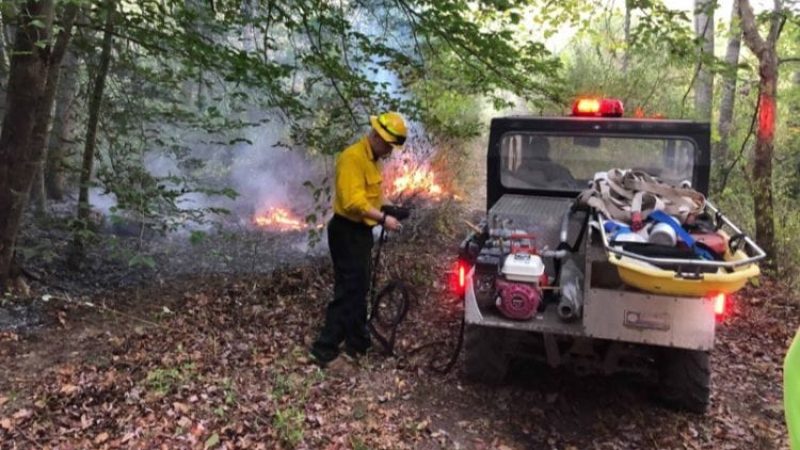
Patient transport for EMS ATVs plays a critical role in emergency response, especially in difficult environments. When teams rely on an EMS ATV or UTV medical skid to reach patients in remote terrain, the right patient transport equipment becomes essential for safety, shock control, and efficient evacuation. Many departments configure these platforms using fire rescue ATV & UTV systems designed for patient transport and rapid response.
Backboards, litter systems, and suspension stability all work together to protect trauma patients during off-road movement. Proper equipment selection directly impacts outcomes in wilderness rescue, tactical response, and disaster scenarios.
Why EMS ATVs Matter In Modern Rescue Operations
EMS ATVs and UTVs have become indispensable in reaching patients in challenging terrains where traditional ambulances cannot go. These off-road rescue vehicles are equipped with advanced EMS equipment, making them crucial for emergency response in rural and wilderness areas.
- Accessibility: Able to navigate difficult terrains like mountains, forests, and other remote locations quickly.
- Speed: Quicker response times compared to foot responders or larger vehicles, especially in remote settings.
- Versatility: Equipped for multiple roles, including search and rescue, medical first response, and patient evacuation.
- Compact Size: Ability to traverse narrow trails that full-sized vehicles can’t, making them ideal for tactical rescue missions.
The Role Of Rescue Backboards In Off-Road Transport
A rescue backboard remains one of the most critical tools for EMS ATV operations. It provides rigid spinal support and allows responders to immobilize patients before movement begins. When paired with an ATV medical skid or UTV cargo system, the backboard must be secured firmly to prevent shifting. Proper mounting ensures the board remains stable even during low-speed technical driving or uneven trail navigation.
Why Litter Systems Are Essential For Wilderness Rescue
A rescue litter basket allows responders to move patients across terrain that cannot be accessed by wheeled stretchers. In off-road rescue vehicle operations, litter systems often bridge the gap between initial patient contact and vehicle-based transport. Litter baskets designed for EMS use support patient containment, controlled lifting, and secure mounting to transport platforms. Their design helps reduce patient movement while allowing responders to navigate obstacles safely.
How Medical Skids Improve Patient Transport Safety
ATV and UTV medical skids are integral components that enhance the capacity of off-road vehicles in emergency medical services. These skids are customized platforms that carry a variety of medical tools and equipment.
- Compact Design: Carries essential EMS equipment without compromising vehicle maneuverability.
- Easy Installation: Medical skids mount and dismount quickly, allowing fast transitions.
- Organized Storage: Designated spaces for securing equipment, preventing disarray during transport.
- Flexible Configuration: Adjustable layouts to meet different rescue requirements and patient care demands.
Managing Shock & Vibration During Transport
Shock management is a defining factor in trauma patient transport. Without proper suspension and mounting, off-road movement can transmit harmful forces directly to the patient. Integrated suspension systems, skid-mounted dampening, and secure equipment restraints all contribute to reducing vibration. These features protect patients while allowing operators to maintain control of the off-road rescue equipment.
Configuring UTV Accessories & Cargo Systems
UTV accessories and ATV cargo racks must be selected with patient transport in mind. Storage systems should support medical transport equipment without interfering with stability or access. Cargo placement, weight balance, and secure mounting all affect vehicle performance. Thoughtful configuration reduces strain on the vehicle while improving safety during emergency response.
Training & Equipment Readiness In Off-Road EMS
Even the best equipment requires proper training and maintenance. EMS teams must understand how to deploy backboards, litter systems, and skid-mounted platforms under pressure. Routine inspections, securement checks, and scenario-based training help ensure that rescue equipment performs as intended during real-world emergencies.
Common Challenges & Solutions In Off-Road Rescue Operations
Despite their numerous advantages, handling ATV and UTV rescue equipment comes with challenges. Identifying these and seeking solutions enhances rescue operation efficiency.
- Terrain Limitations: While ATV/UTVs are powerful, extreme terrains can pose challenges. Training operators in advanced driving techniques improves performance.
- Weather Effects: Inclement weather can impact visibility and handling. Proper gear and equipment can mitigate these effects.
- Limited Capacity: ATV and UTV space is constrained, necessitating precise load management for EMS supplies and rescue tools.
- Maintenance Needs: Routine checks and proper servicing are essential to ensure vehicle reliability during rescues.
Strengthen Patient Transport Capabilities With Kimtek Corporation
Discover how our cutting-edge EMS ATV and UTV rescue solutions can transform your emergency response capabilities. Our MEDLITE and FIRELITE transport systems enhance safety and efficiency, providing reliable, durable, and affordable solutions for your rescue operations. Contact us today for more information on how our expertly crafted equipment can best serve your team in any terrain, trusted by professionals nationwide.