Equipment shift and vibration on rough terrain create real challenges for fire departments, EMS teams, and remote rescue crews across the USA. When a rescue UTV, side by side ATV, or off-road vehicle travels over ruts, rocks, washouts, or uneven ground, loose gear can move fast. That movement can damage UTV equipment, slow the crew, and increase risk during response.
Good vibration control starts with the vehicle platform. It also depends on skid design, secure mounting, load placement, tires, suspension, and routine inspection.
Rough Terrain Makes Equipment Control A Safety Issue
Rugged terrain exposes every weak point in your setup. A loose compartment, poor anchor point, or uneven load can become a problem once the vehicle starts bouncing.
Transportation shock affects tools, pumps, tanks, patient transport equipment, and storage systems. It can also affect the driver’s control when weight shifts during turns or climbs.
The National Institute for Occupational Safety and Health recommends vehicle designs that reduce whole-body vibration, along with regular maintenance and speed limits for rough conditions.
Rescue UTV Skids Need Secure Mounting
Fire rescue UTV skids help turn a standard off-road vehicle into a practical response unit. The skid must stay stable while the vehicle moves through rough terrain. A secure skid platform helps keep tanks, pumps, hose reels, and patient transport components organized during movement.
Kimtek Corporation builds FIRELITE and MEDLITE skid units for departments that need rugged, field-ready systems. These units support emergency response work where full-size apparatuses cannot always reach.
Load Placement Reduces Shift Before The Call Starts
You can reduce equipment shift by placing weight with purpose. Keep heavy gear low when possible. Avoid stacking tools where they can move during braking or sidehill travel.
Weight distribution matters on every rescue UTV and side-by-side ATV. A balanced load helps preserve steering control, braking response, and overall stability.
Before deployment, walk around the vehicle and check every mounted item. A quick inspection can catch loose straps, open latches, and shifting gear before the vehicle reaches the trail.
Smart Vibration Control Starts With The Vehicle
The best UTV for emergency response depends on the terrain, payload needs, and department mission. You don’t need the same setup for every call type. Key vehicle factors include:
- Payload Capacity: Confirm the vehicle can carry the skid, water, tools, and crew.
- Suspension Condition: Inspect shocks, bushings, and mounting points regularly.
- Tire Selection: Choose durable UTV wheels and tires that match the terrain.
- Ground Clearance: Protect the skid and vehicle underside from ruts or rocks.
- Braking Control: Keep load weight within limits to support safer stopping.
The Most Durable UTV Wheels Support Better Stability
The most durable UTV wheels for rough terrain help reduce avoidable movement by improving traction and impact resistance. Wheels and tires cannot solve every vibration issue, but they play a major role in vehicle stability.
Tire pressure also matters. Too much pressure can create a harsh ride. Too little pressure can affect handling and increase tire damage risk.
Match the wheel and tire setup to the terrain your department sees most often. Rocky access roads, mud, sand, and wooded trails each place different demands on the vehicle.
Secure Storage Keeps Critical Gear Ready
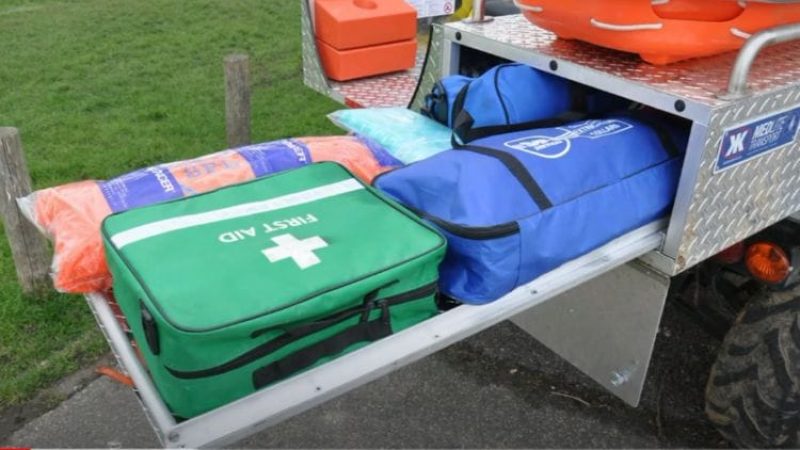
Loose tools can slow down crews when they arrive on scene. They can also damage pumps, tanks, fittings, and rescue equipment during travel. Organized storage helps crews find gear quickly after a rough ride.
- Locking Compartments: Keep tools contained during sudden movement.
- Heavy-Duty Straps: Hold larger items in place during transport.
- Fixed Mounts: Secure pumps, tanks, and reels to the skid platform.
- Labeled Storage: Help crews find equipment without digging through compartments.
- Routine Checks: Inspect straps, latches, and mounts before each deployment.
Speed Control Helps Limit Transportation Shock
Driving style affects vibration as much as equipment selection. High speed over rough terrain increases impact forces on the vehicle, skid, and mounted equipment.
Research available through the National Library of Medicine found that higher haul truck speed increased vibration recorded at the chassis and seat. Emergency vehicles operate under different conditions, but the same principle still applies. Rougher movement creates more shock through the vehicle.
When the route allows, reduce speed before bumps, washouts, and uneven turns. That simple adjustment can protect equipment and improve control.
Maintenance Keeps UTV Equipment From Working Loose
Rough terrain can loosen hardware over time. Even a well-built setup needs inspection after regular field use. A practical maintenance routine should focus on the parts that absorb shock and hold equipment in place.
- Mounting Hardware: Check bolts, brackets, and frame connections.
- Straps & Restraints: Replace worn straps before they fail.
- Hose & Reel Mounts: Confirm reels stay tight after rough travel.
- Tank Supports: Inspect tank contact points and mounting surfaces.
- Suspension Components: Service worn parts before they affect stability.
Training Helps Crews Protect The Setup
Equipment security also depends on crew habits. Operators should know how the vehicle handles when fully loaded. Crew members should know where gear belongs after each call.
Training should include rough terrain driving, loading procedures, and post-response inspection. These steps help prevent small problems from becoming response delays. Departments can also use feedback from operators to improve storage layout. The people who drive the vehicle often notice vibration, rattle, and access problems first.
Strengthen Your Rough Terrain Response With Kimtek Corporation
Preventing equipment shift and vibration starts with the right platform, the right skid, and the right inspection habits. FIRELITE and MEDLITE systems from Kimtek Corporation help fire departments, EMS teams, and remote rescue crews organize equipment for rugged field use. Contact Kimtek Corporation to compare off-road vehicle solutions for your department’s response needs.