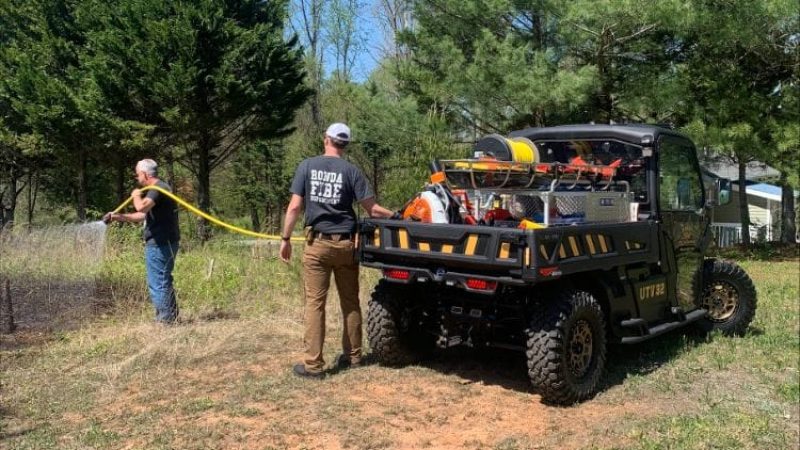
Off-road emergency response vehicle training across the United States directly impacts how effectively teams operate in remote and unpredictable environments. Many departments deploy an EMS ATV or UTV with advanced equipment, but training does not always keep pace with real-world demands. These gaps reduce efficiency, increase risk, and limit the full capability of both personnel and equipment.
Closing these gaps requires focused off-road response training that aligns with actual field conditions, equipment setups, and patient transport requirements.
Where EMS ATV & UTV Training Often Falls Short
Many agencies introduce off-road vehicles without building a structured training program around them. Operators may understand basic driving, but lack the depth required for emergency scenarios. Common training gaps include:
- Operator Certification Requirements: Teams may lack formal certification standards for off-road vehicle use.
- Off-Road Driving Proficiency: Limited exposure to varied terrain reduces operator confidence and control.
- Load Handling Training: Improper weight distribution affects braking, steering, and stability.
- UTV Operator Training Consistency: Training approaches vary widely between departments, leading to inconsistent performance.
Why Terrain Assessment Skills Impact Every Response
Terrain changes quickly in off-road environments. Without strong terrain assessment skills, operators make slower decisions or choose inefficient routes. Effective assessment improves both response time and safety.
Operators must read terrain conditions, identify hazards, and adjust driving techniques in real time. Strong terrain awareness supports better decision-making under pressure and reduces avoidable incidents during deployment.
Patient Transport Training Off-Road Requires More Precision
Patient transport in off-road conditions introduces additional complexity. Movement, vibration, and uneven terrain all affect patient stability and care delivery.
- Patient Stabilization Techniques: Proper securing methods reduce movement during transport.
- Skid System Familiarization: Teams must understand how ATV skids and transport systems perform across terrain.
- Communication Coordination: Clear communication with receiving teams improves patient outcomes.
Braking Distance & Rollover Risk Increase Off Road
Off-road conditions significantly change how vehicles respond to braking and turning. Many operators underestimate these differences.
Braking distance increases on loose surfaces, slopes, and wet terrain. Without proper braking distance awareness, operators may react too late. Rollover risk also rises when carrying equipment or patients. Understanding the center of gravity and load positioning is critical for safe operation.
Emergency Maneuver Training Improves Reaction Time
Emergency scenarios often require quick directional changes, obstacle avoidance, and rapid decision-making. Without emergency maneuver training, operators rely on instinct instead of a trained response.
- Rapid Obstacle Avoidance: Operators must react quickly to unexpected hazards.
- Controlled Direction Changes: Maintaining stability during sudden maneuvers prevents loss of control.
- Stress Response Control: Training helps operators stay focused during high-pressure situations.
- Real World Scenario Practice: Hands-on exercises improve reaction time and confidence.
Low-Visibility Operation Creates Additional Risk
Low visibility conditions are common in emergency response. Night operations, fog, smoke, and weather all reduce visibility and increase risk. Operators must adapt driving techniques and rely on available tools to maintain control and direction. Training should include real-world scenarios that simulate reduced visibility conditions. Low-visibility operation requires both technical skill and situational awareness to avoid hazards and maintain safe response speeds.
Why Skid System Familiarization Supports Safer Operations
Equipment familiarity plays a direct role in performance. Systems like MEDLITE and other skid units change how vehicles handle, especially when transporting patients. Operators must understand how added weight and configuration affect acceleration, braking, and balance. Without proper skid system familiarization, even experienced drivers may misjudge vehicle behavior. Consistent training ensures teams use their equipment as intended while maintaining control in challenging conditions.
Building A More Effective Off-Road Training Program
A structured training program aligns operator skills with real-world conditions. It prepares teams to handle terrain, equipment, and patient transport as a single system.
- Scenario-Based Training: Simulated environments improve real-world readiness.
- Ongoing Skill Evaluation: Regular assessments keep skills sharp and consistent.
- Cross-Team Standardization: Standard training improves coordination across departments.
- Technology Integration: Training should include GPS, communication tools, and onboard systems.
Strengthen Field Performance With The Right Equipment
Training gaps limit the effectiveness of even the most capable off-road response vehicles. Addressing those gaps improves safety, response time, and patient outcomes across every deployment.
Kimtek Corporation supports emergency teams across the United States with rugged, purpose-built solutions, including FIRELITE and MEDLITE skid units. Equip your team with the right tools and ensure your training matches real-world demands. Explore our products and build a more capable off-road response program today.